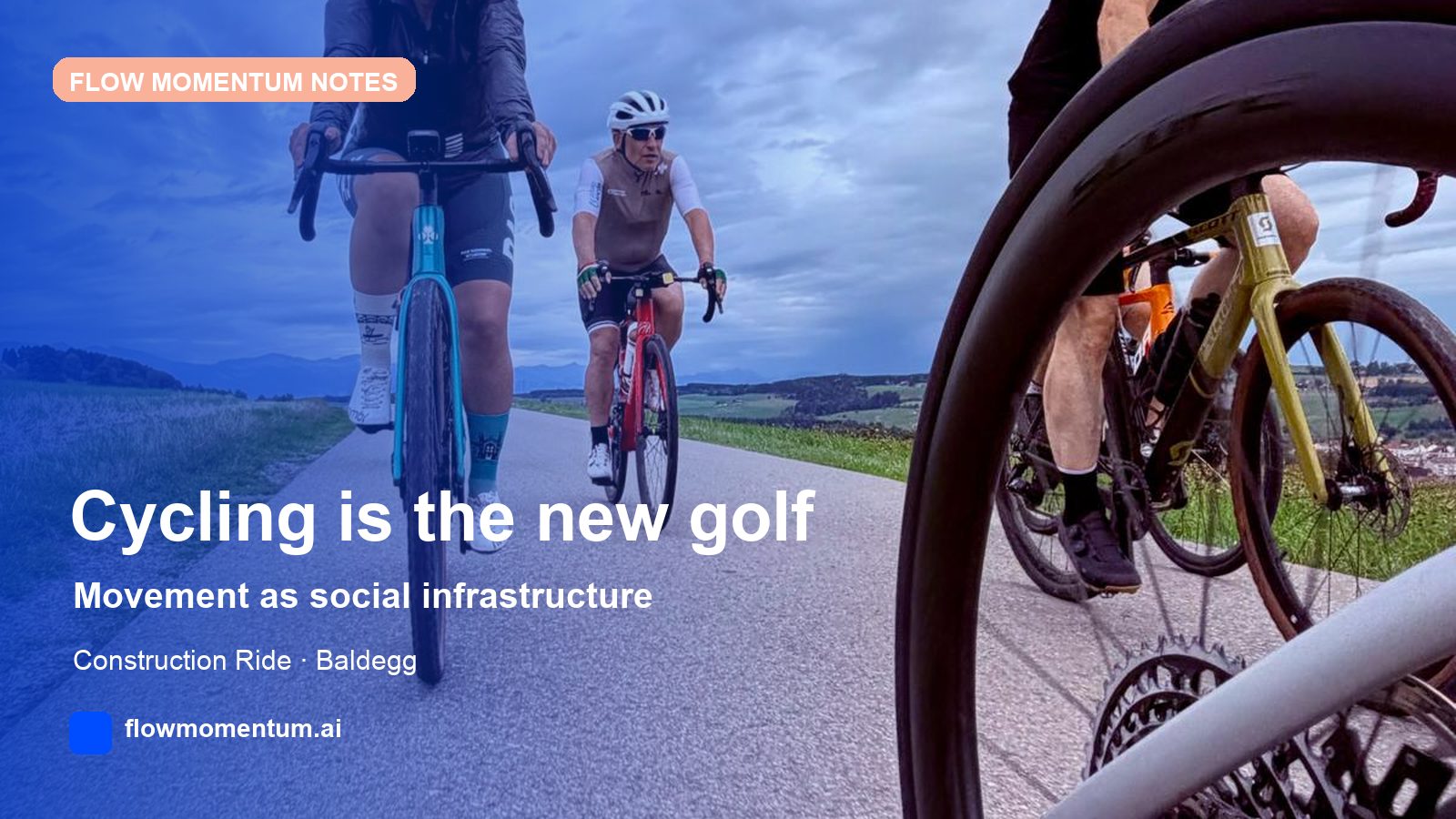
Cycling Is the New Golf: Movement as Social Infrastructure
The racing bicycle was the better networking tool last Friday.
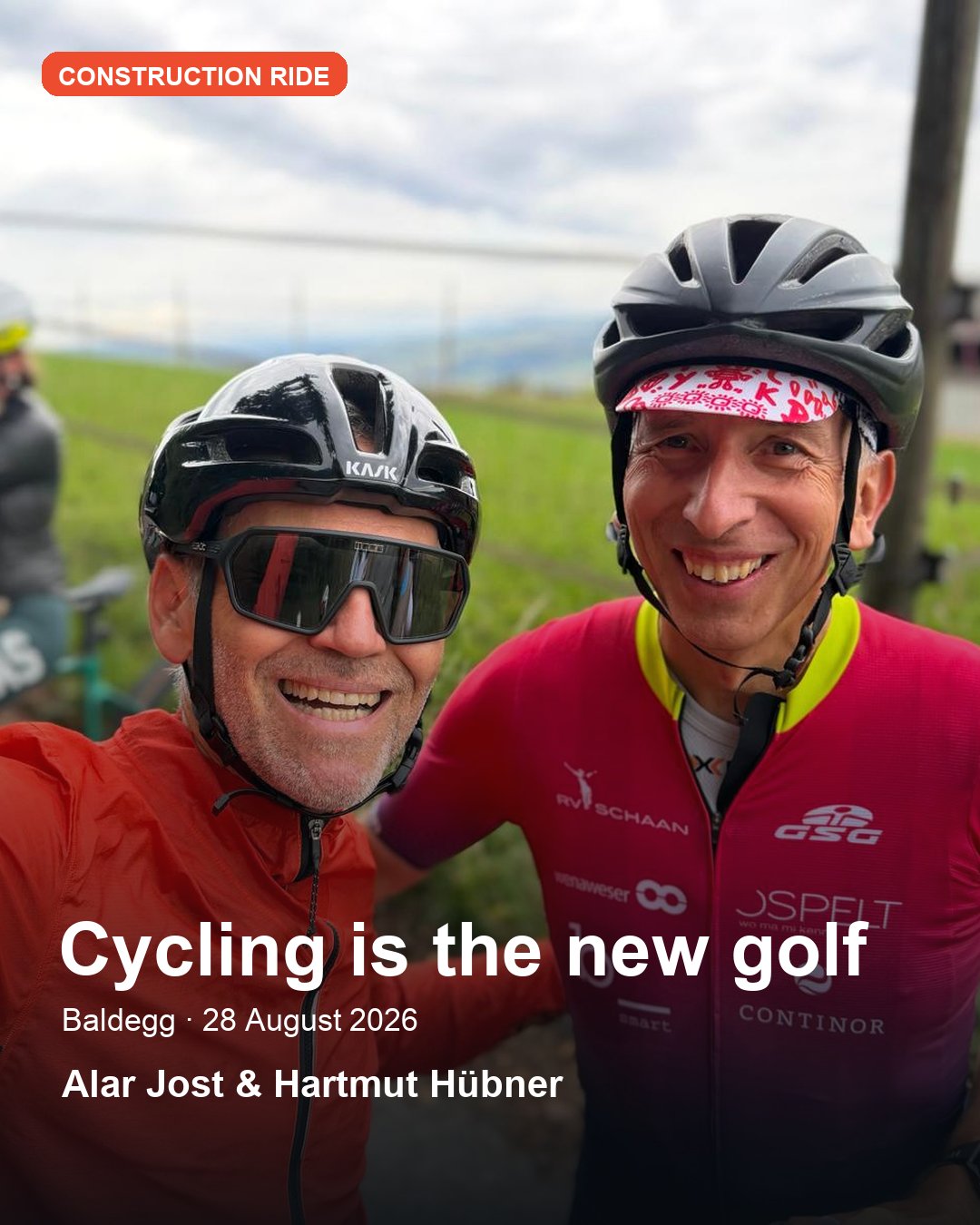
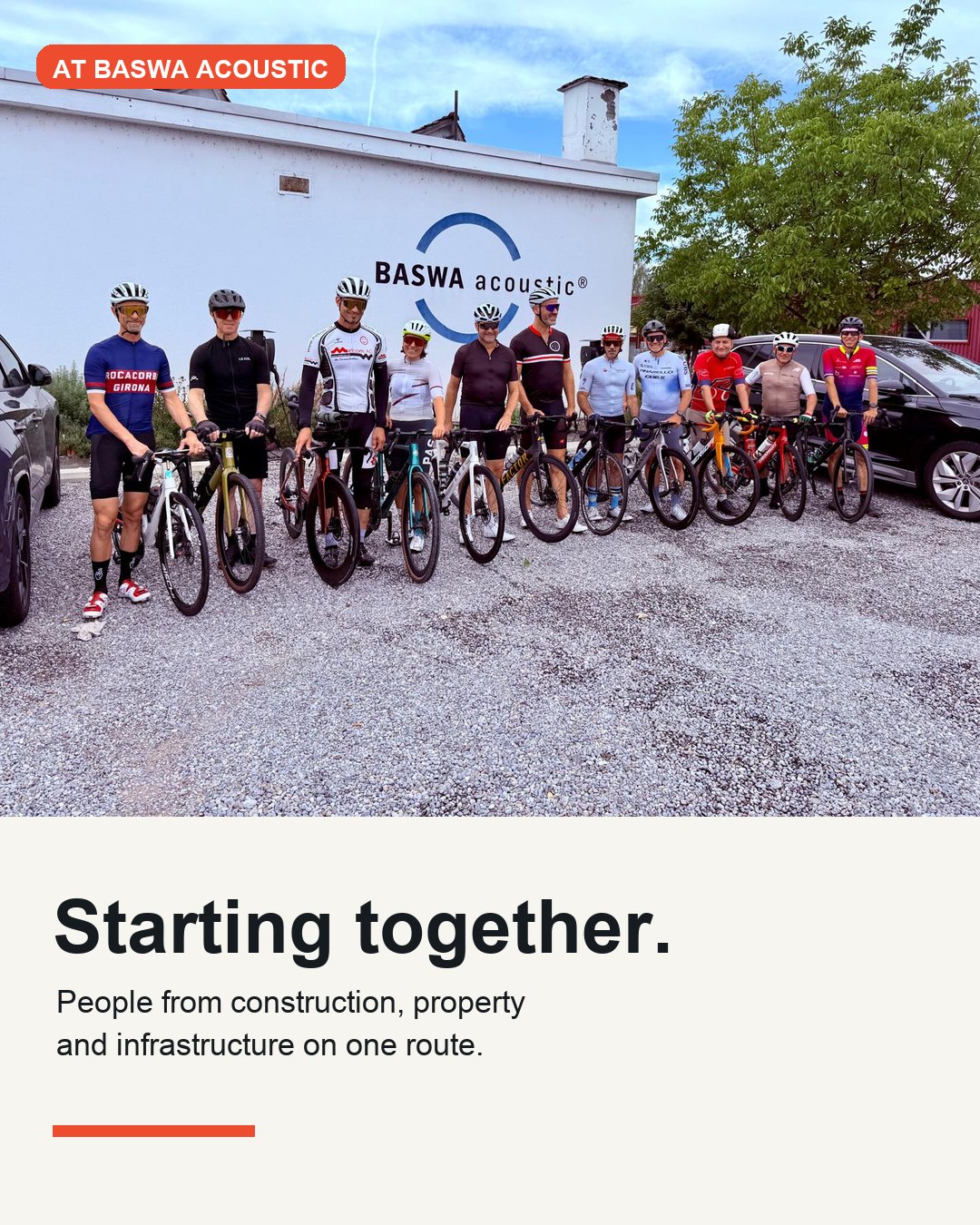
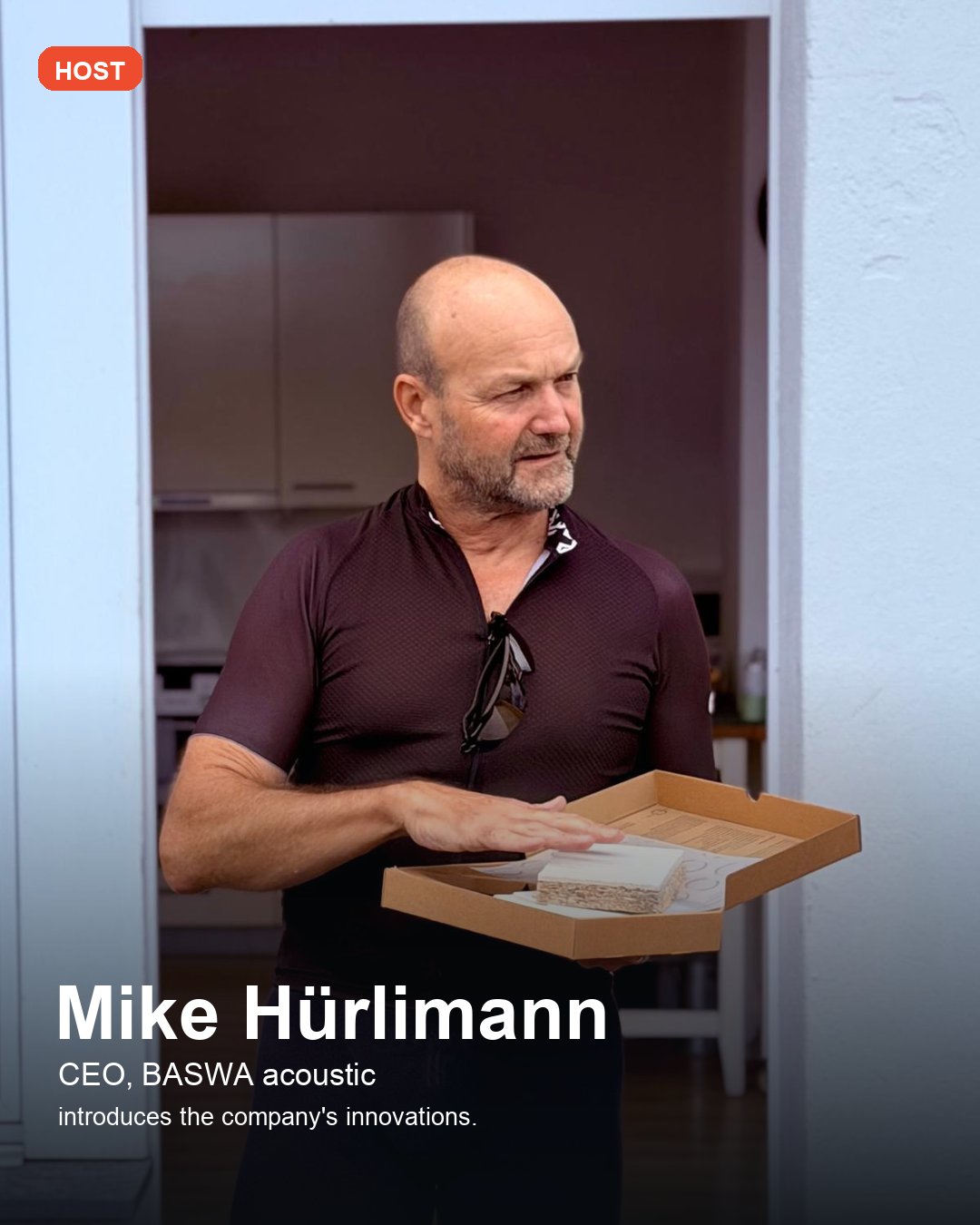
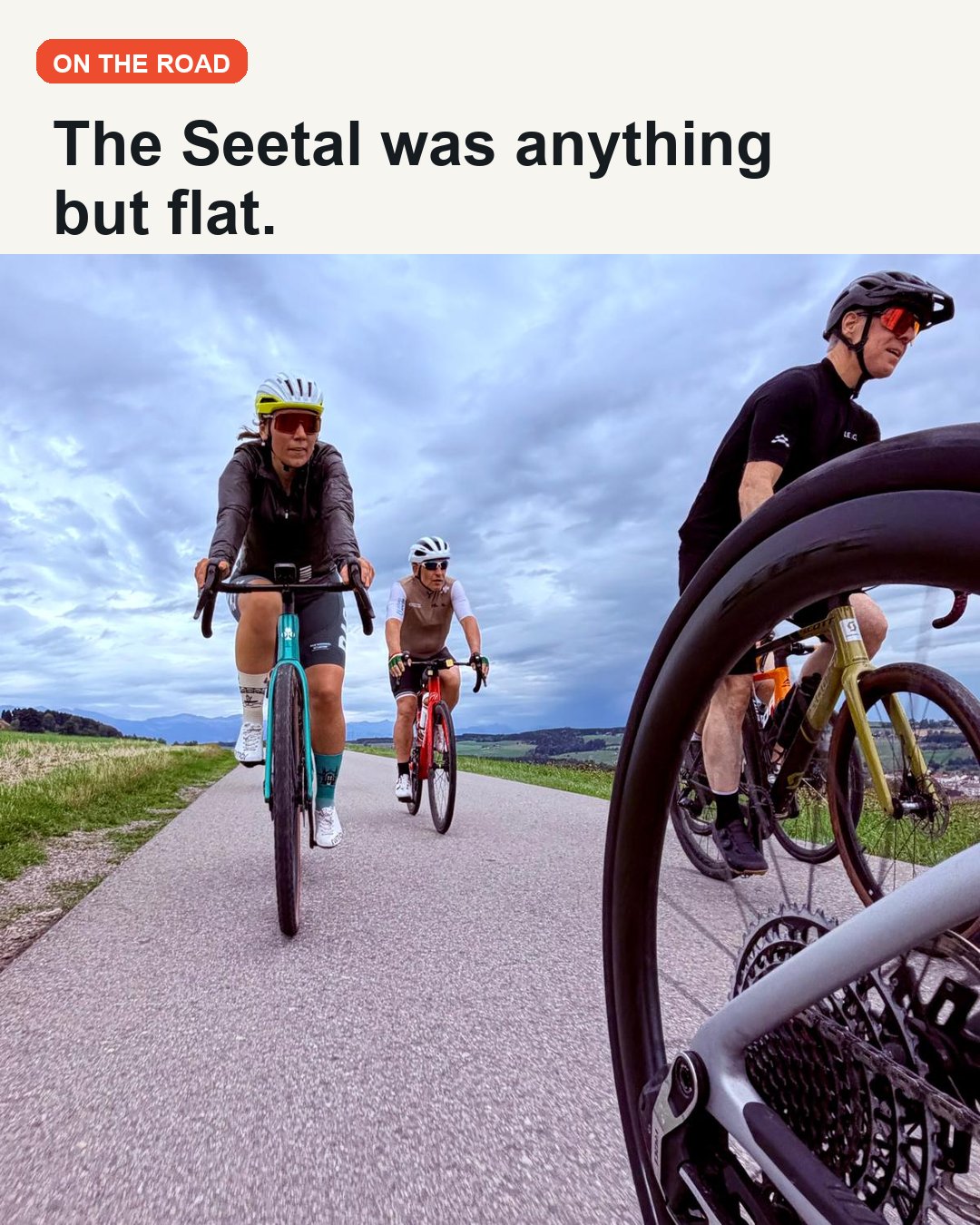
At Construction Ride in Baldegg, people from construction, property and infrastructure met at BASWA acoustic before riding through the Seetal and around Lake Baldegg.
The route was anything but flat. A proper downpour arrived halfway through. Neither the hills nor the rain damaged the mood.
“Cycling is the new golf” is the community's memorable line. It points to something more useful than a sporting trend: movement can become social infrastructure.
Why conversation changes on the move
Traditional networking often begins with roles, organisations and a quiet expectation that somebody will eventually make a pitch.
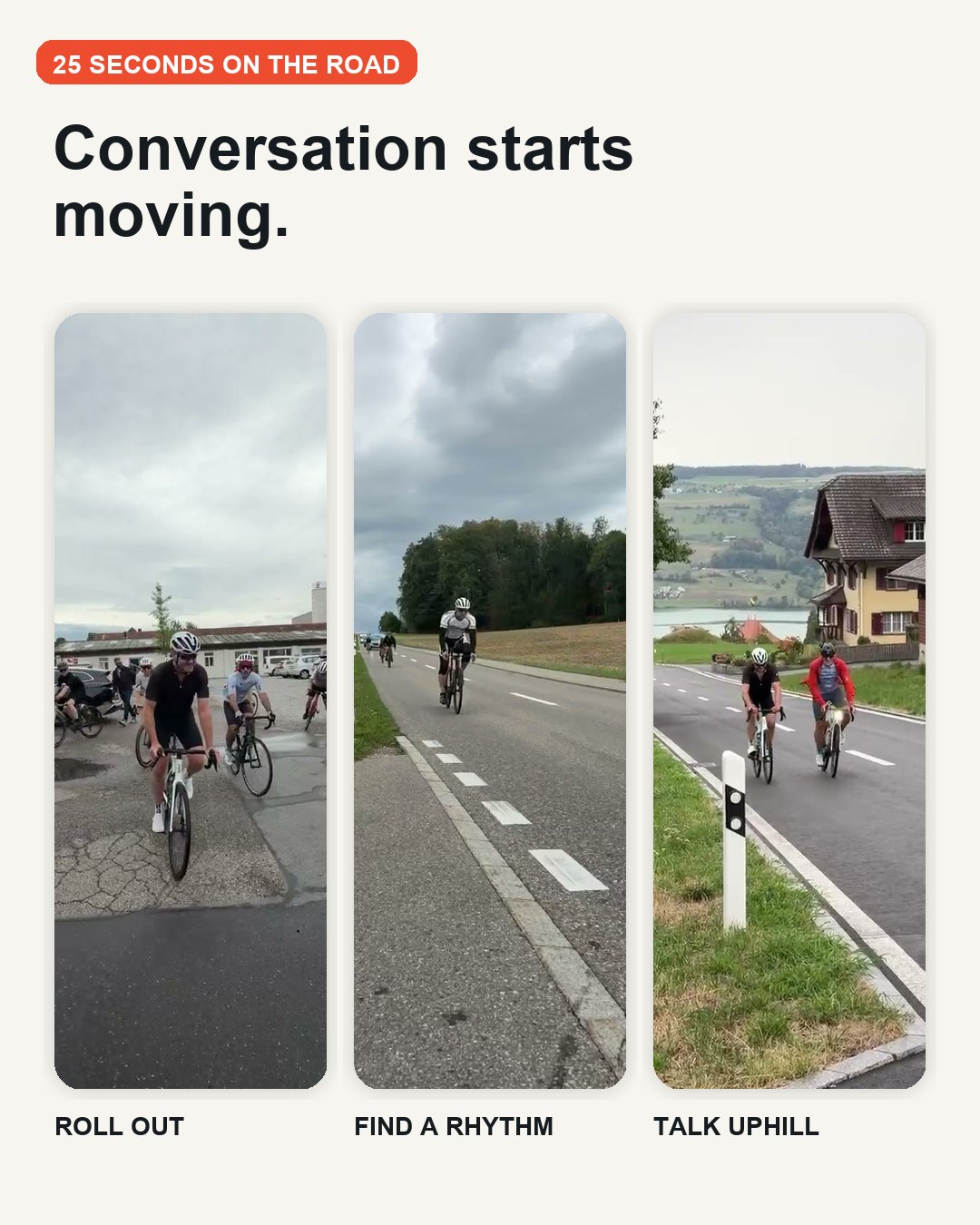
A social ride changes the order. People meet first as riders. Two people can travel alongside one another without maintaining constant eye contact. The road supplies pauses, new pairings and a shared subject whenever the conversation needs one.
The longer climbs made our conversations more intense. Breath limits the number of words, which can make the remaining words more direct.
During one stretch, BASWA acoustic CEO Mike Hürlimann explained the company's seamless acoustic innovations and what it means for a Swiss SME to compete in global markets. We also discussed where AI may help a specialist manufacturer find, serve and learn from international markets.
That conversation did not need an agenda or a sales pitch. The ride created the opening.
Five mechanisms worth designing for
The lesson is not that every organisation needs a cycling club. The useful part is the design logic:
- Repeated contact can turn a one-off encounter into familiarity.
- Shared identity lets people enter as riders or runners before titles and company roles.
- Visible reciprocity makes pacing, waiting and helping observable.
- Conversation without a pitch reduces some of the theatre of conventional networking.
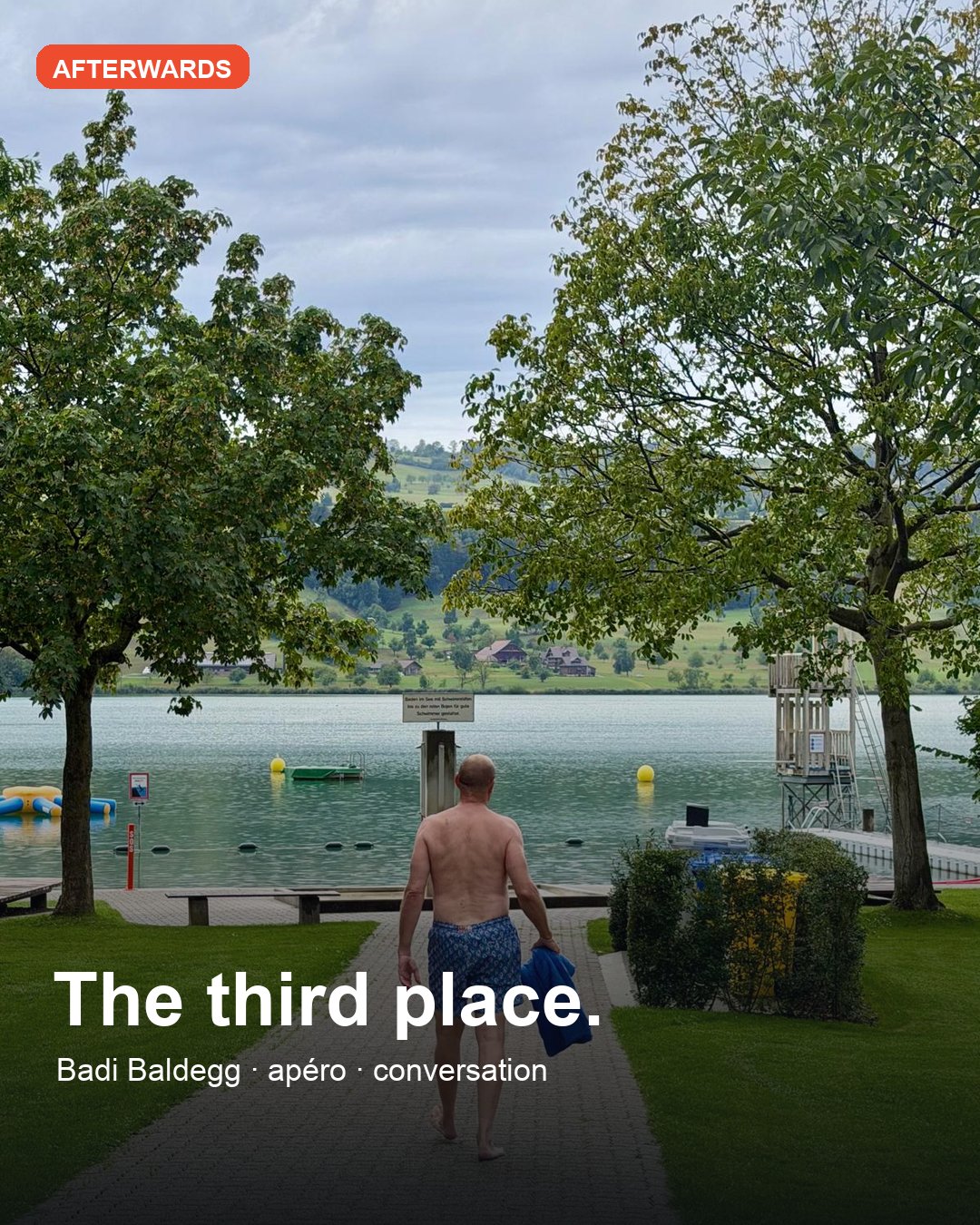
- A third place afterwards — coffee, an apéro or a meal — lets the relationship continue once the effort ends.
These mechanisms can appear in running clubs, walking meetings and other recurring movement communities. They do not create trust automatically. They create conditions in which trust may become easier to build.
What the evidence can and cannot tell us
A 2026 scoping review synthesised 87 cycling-intervention studies across 19 countries. It reported broadly positive effects across several wellbeing domains, including social connection, with particularly notable results in outdoor and multi-session programmes.
The review does not show that a single company ride improves commercial performance. Contexts and measures varied, and social outcomes remain less studied than physical or cognitive ones.
The careful conclusion is still useful: outdoor exposure, social opportunity and meaningful routine may support wellbeing and belonging. That is a sounder reason to create a recurring ride than a vague promise of “team building”.
The inclusion test
“Cycling is the new golf” only deserves to be a positive idea if it avoids reproducing golf's old boundaries.
Expensive equipment, speed, confidence and unwritten etiquette can all become barriers. A social ride designed only for the strongest riders is not social infrastructure. It is a selection mechanism.
Good group design makes the rules visible:
- publish the distance, climbing and expected pace;
- define regrouping points and a no-drop policy;
- provide route options for different levels;
- help newcomers understand equipment and group-riding basics;
- create a walking or running alternative when appropriate;
- never treat participation as evidence of professional commitment.
The same principle applies to corporate wellbeing more broadly. Participation data should not become a proxy for performance. People need choice, privacy and a format that respects different bodies, abilities and circumstances.
Try this with your team
Do not begin with a large wellbeing programme. Test one repeatable container.
Invite a small group to a 60- to 90-minute ride, run or walk. Keep the pace conversational. Rotate pairs once or twice, then leave 20 minutes for coffee. Ask only two questions afterwards:
- Did you speak with someone differently than you normally would at work?
- What would make the next session easier to join?
For a cycling version, cycling coaching can help frame the route around the people and the purpose. Try this prompt in Flow Momentum:
“Help me prepare a 90-minute group ride for colleagues with different fitness levels. Keep the pace conversational, include clear regrouping points and leave 20 minutes for coffee afterwards. State what I still need to check locally.”
Route planning can help structure distance, climbing and timing, but it cannot replace local safety checks, current road conditions or a named ride leader. The same principle applies to training data: our note on Performance Health explains why context should inform a decision without pretending to make it for us.
The ride in six frames
Frequently asked questions
Closing thought
Movement does not remove hierarchy or manufacture trust. It can give people a better place to begin.
Sources
Get the next Note
Practical ideas on performance, recovery, AI and better work — straight to your inbox.